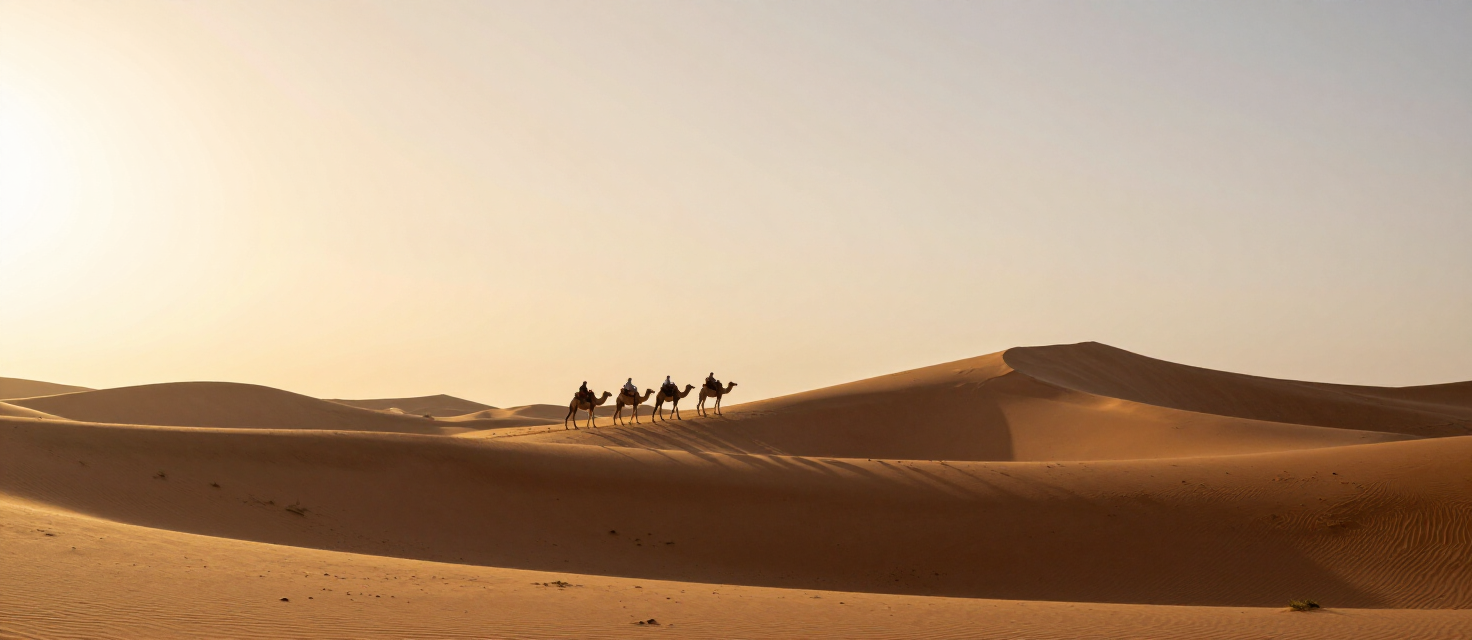
A camel caravan crossing the golden Erg Chebbi dunes of the Moroccan Sahara at sunset

A New Way to Discover Morocco

Connect WithMorocco.

Destinations, authentic experiences, local culture and practical knowledge — a premium guide to the real Morocco, from the medinas to the dunes.

The Guide

Morocco is not a checklist. It is a conversation.

MOROCCONTACT is a modern travel guide built like a magazine and edited like a local’s notebook. We map the destinations, decode the culture, and hand you the practical knowledge — so you spend less time planning and more time inside the country.

  • Local first

    Every recommendation comes from people who live it — riad owners, guides, artisans and cooks — not from a booking algorithm.

  • Beyond the postcard

    The famous squares matter, but so do the foundouks, the neighbourhood hammams and the villages one valley past the tour buses.

  • Practical, always

    Real prices, real seasons, real transport. The kind of detail that turns a good trip into an effortless one.

Where to Go

Six places that
define the country

From imperial medinas to Atlantic ramparts and the great dunes — each destination below is a doorway, with the season to go and the reason to stay longer.

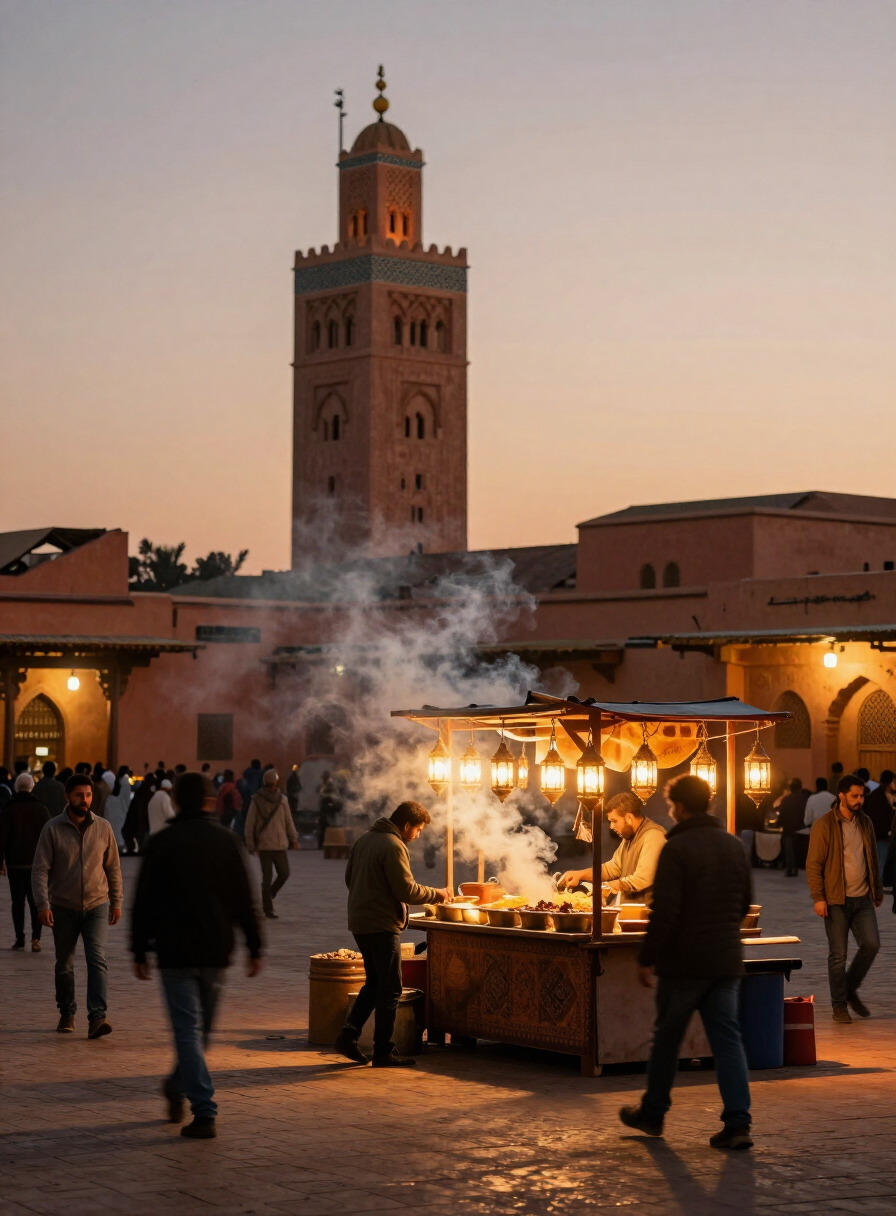
Jemaa el-Fnaa square in Marrakech at dusk, with food-stall smoke and the Koutoubia minaret in the distance

The Red City

Marrakech

A thousand-year-old medina that wakes slowly and roars at dusk. Jemaa el-Fnaa fills with storytellers, grill smoke and drum circles while the souks behind it unfold into miles of dyers, metalworkers and spice merchants.

Best season — March – May, October – November
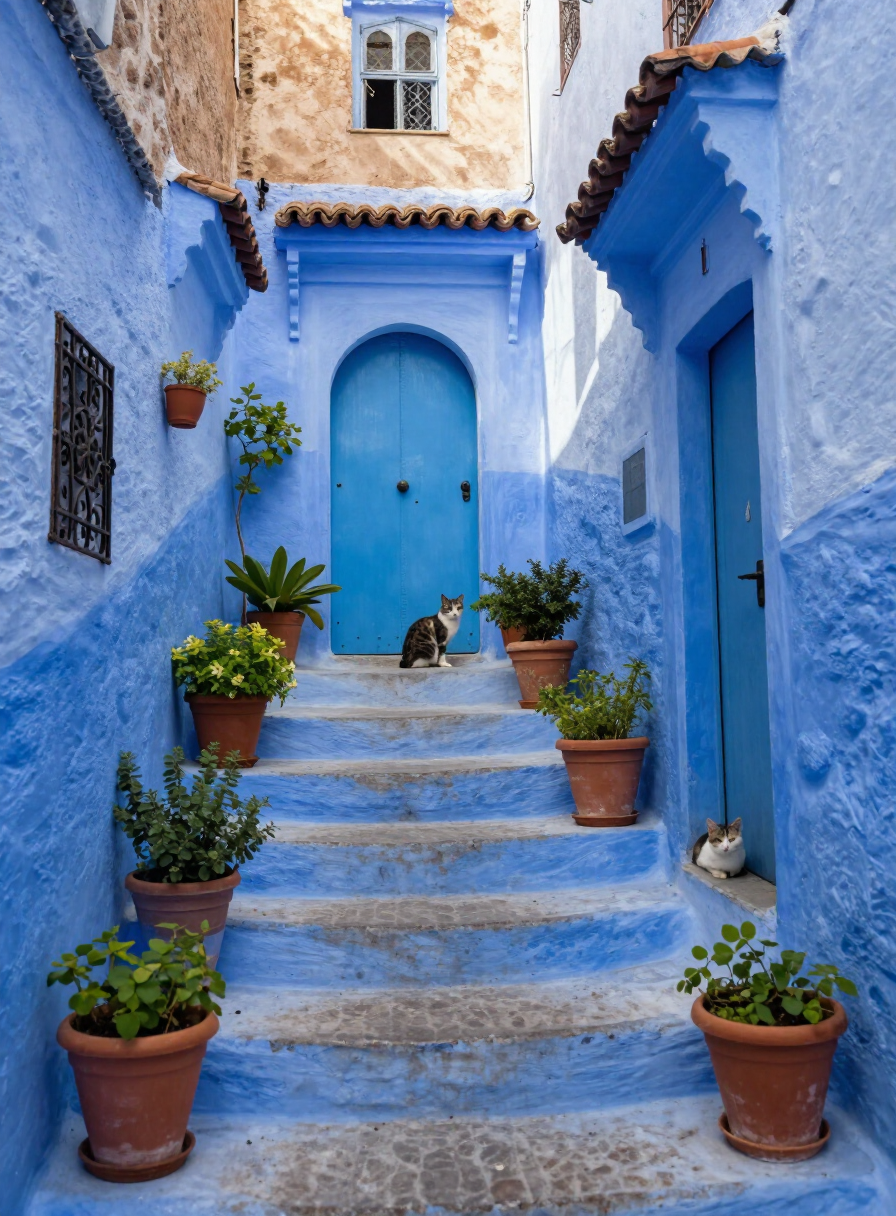
A narrow blue-washed alley in Chefchaouen with terracotta plant pots on the steps

The Blue Pearl

Chefchaouen

A mountain town washed in fifty shades of blue, folded into the Rif Mountains. Come for slow mornings on stepped alleys, goat cheese from the valley, and the trail up to the Spanish Mosque for sunset over the rooftops.

Best season — April – June, September – October

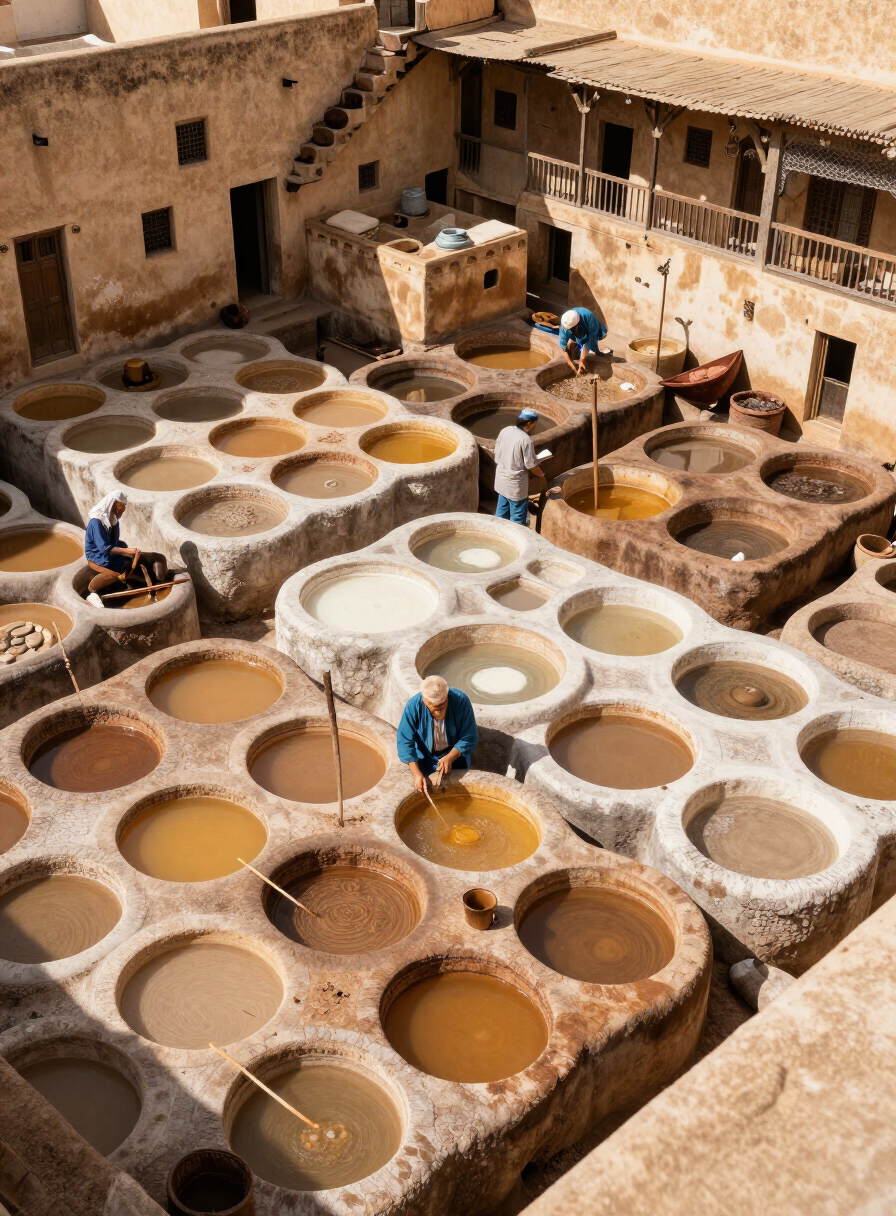
The circular stone dye vats of the Chouara tanneries in Fès seen from above

The Spiritual Capital

Fès

The world’s largest car-free medina and Morocco’s craft heartland. Watch tanners work the Chouara dye pits as they have since the 11th century, then get deliberately lost among 9,000 lanes of madrasas, foundouks and brass workshops.

Best season — March – May, September – November

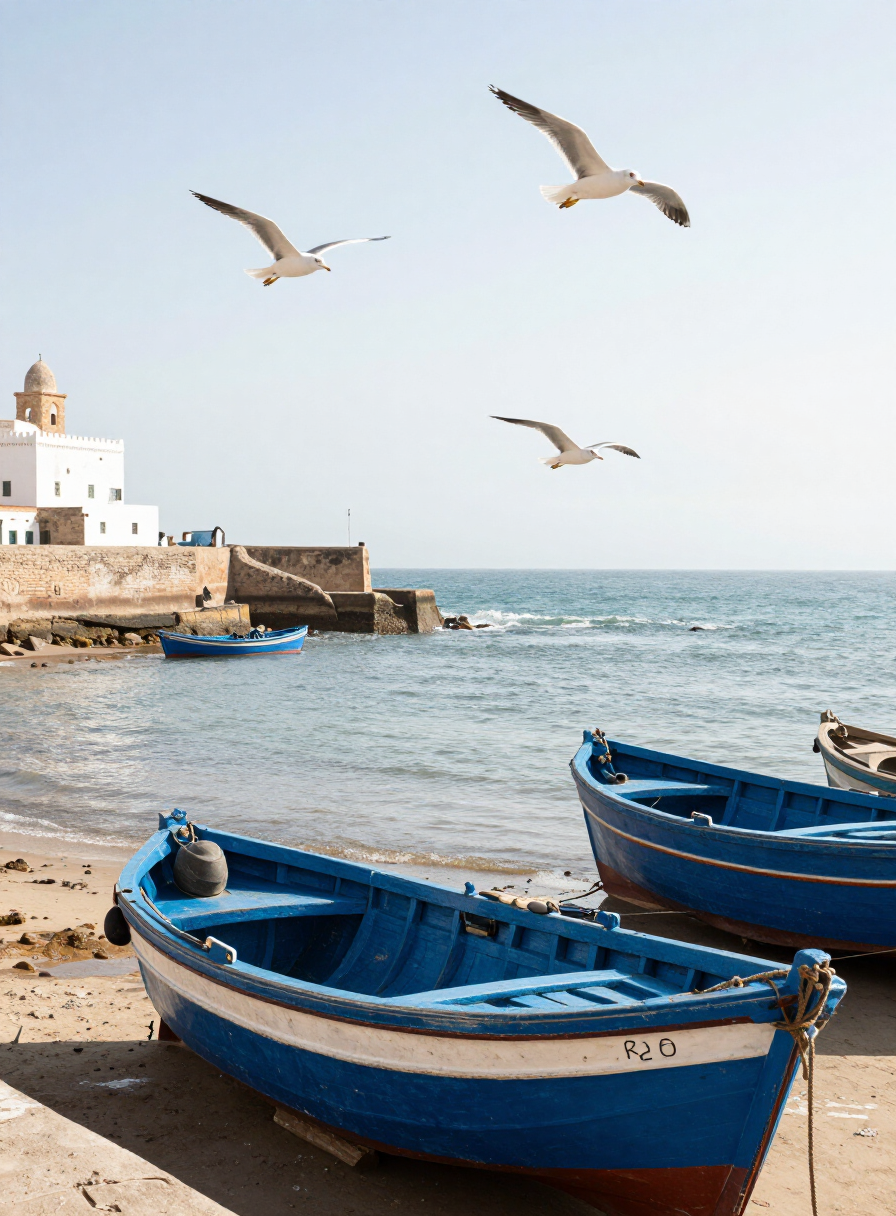
Blue wooden fishing boats in the port of Essaouira with seagulls overhead

The Windy Coast

Essaouira

Atlantic air, whitewashed ramparts and blue fishing boats hauling in the morning catch. Essaouira moves at half the speed of Marrakech — surf, gnaoua music, grilled sardines at the port and argan cooperatives in the hills behind.

Best season — Year-round, windiest April – August

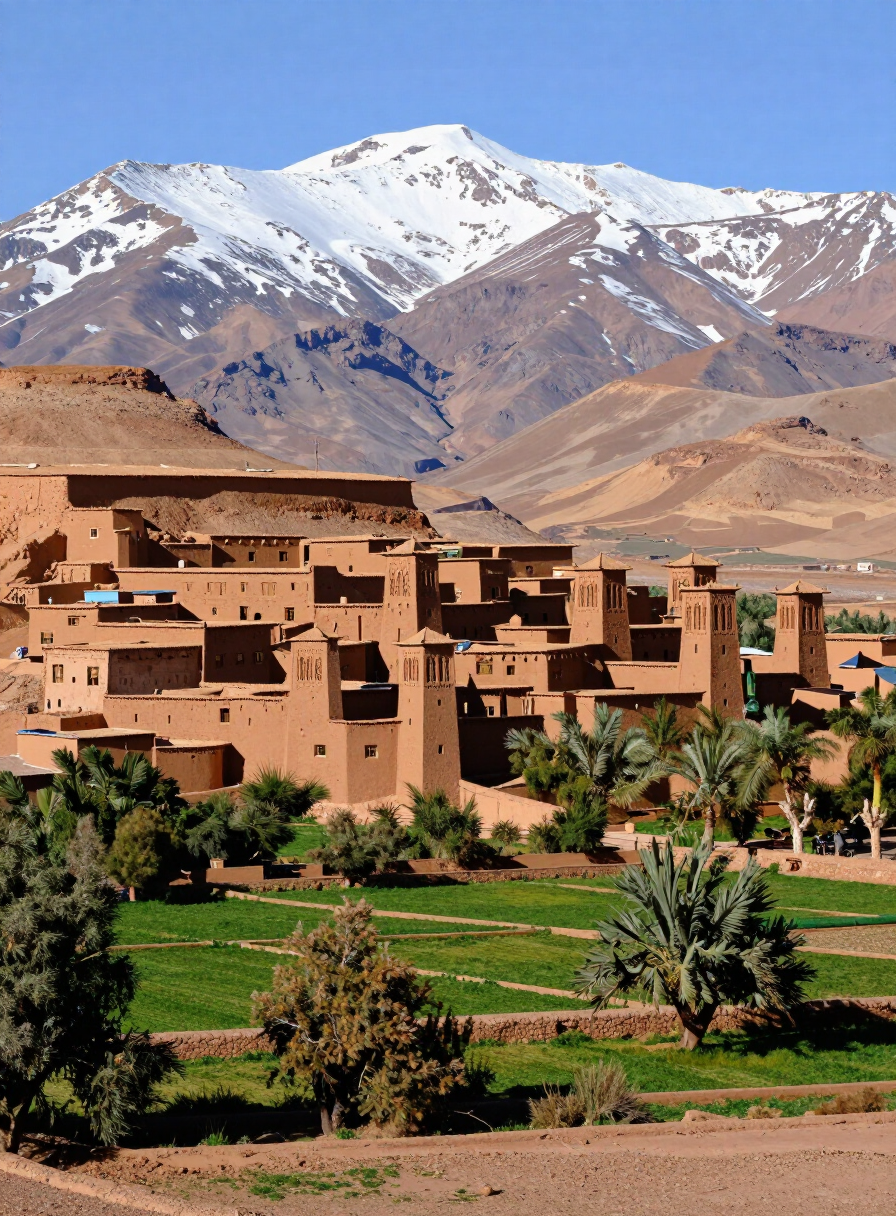
A Berber village of mud-brick houses terraced into a green High Atlas valley below snow-dusted peaks

The Mountain Backbone

High Atlas

North Africa’s highest peaks rise two hours from Marrakech. Trek between mud-brick Berber villages, share mint tea in family gîtes, and stand on the 4,167 m summit of Jebel Toubkal above a sea of ridgelines.

Best season — April – June, September – October

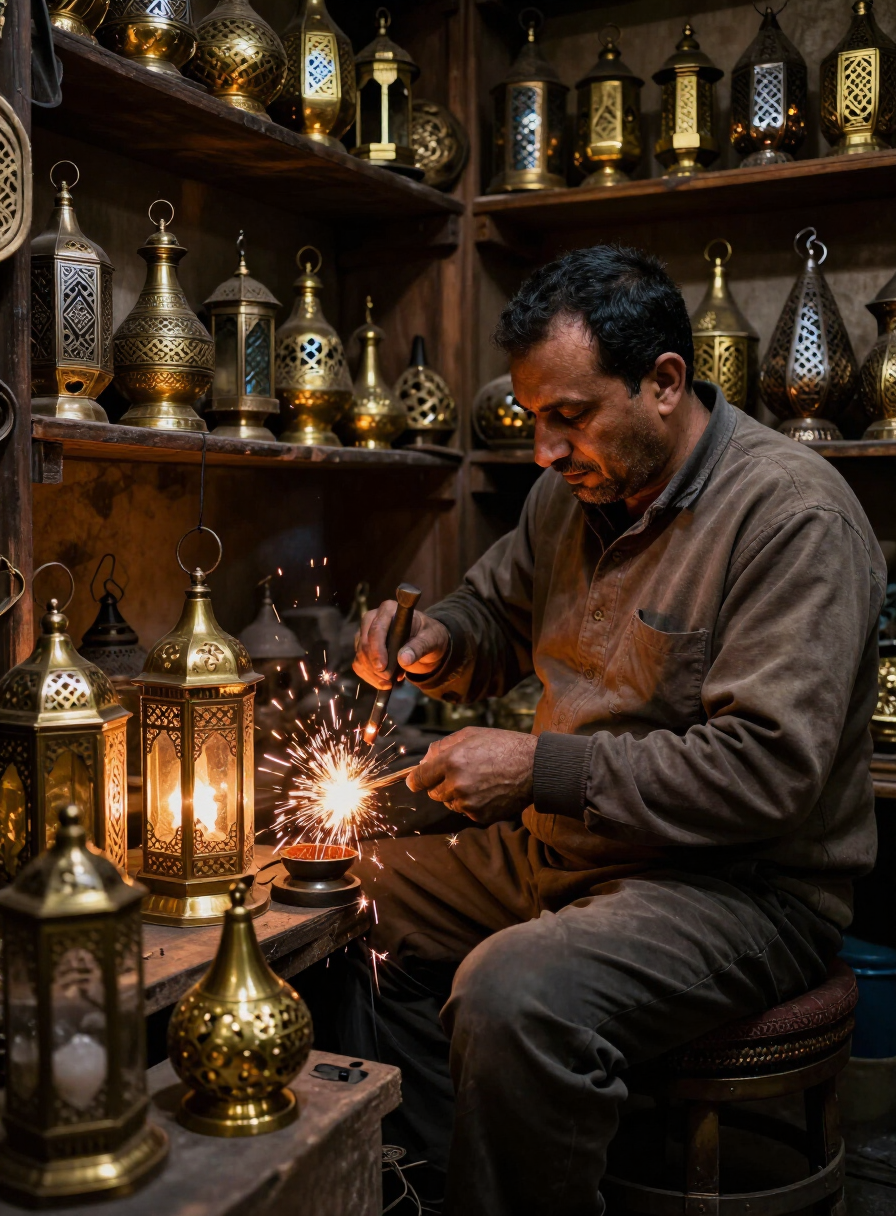
A craftsman hammering brass lanterns in a workshop in the medina of Fès el-Bali

The Great Dunes

Merzouga & the Sahara

Where the road ends, the Erg Chebbi dunes begin — 150-metre walls of sand glowing amber at dawn. Ride in by camel, sleep in a desert camp under a saturated sky, and wake to absolute silence.

Best season — October – April

Authentic Experiences

Travel that
tastes of something

  1. Eat where the smoke rises

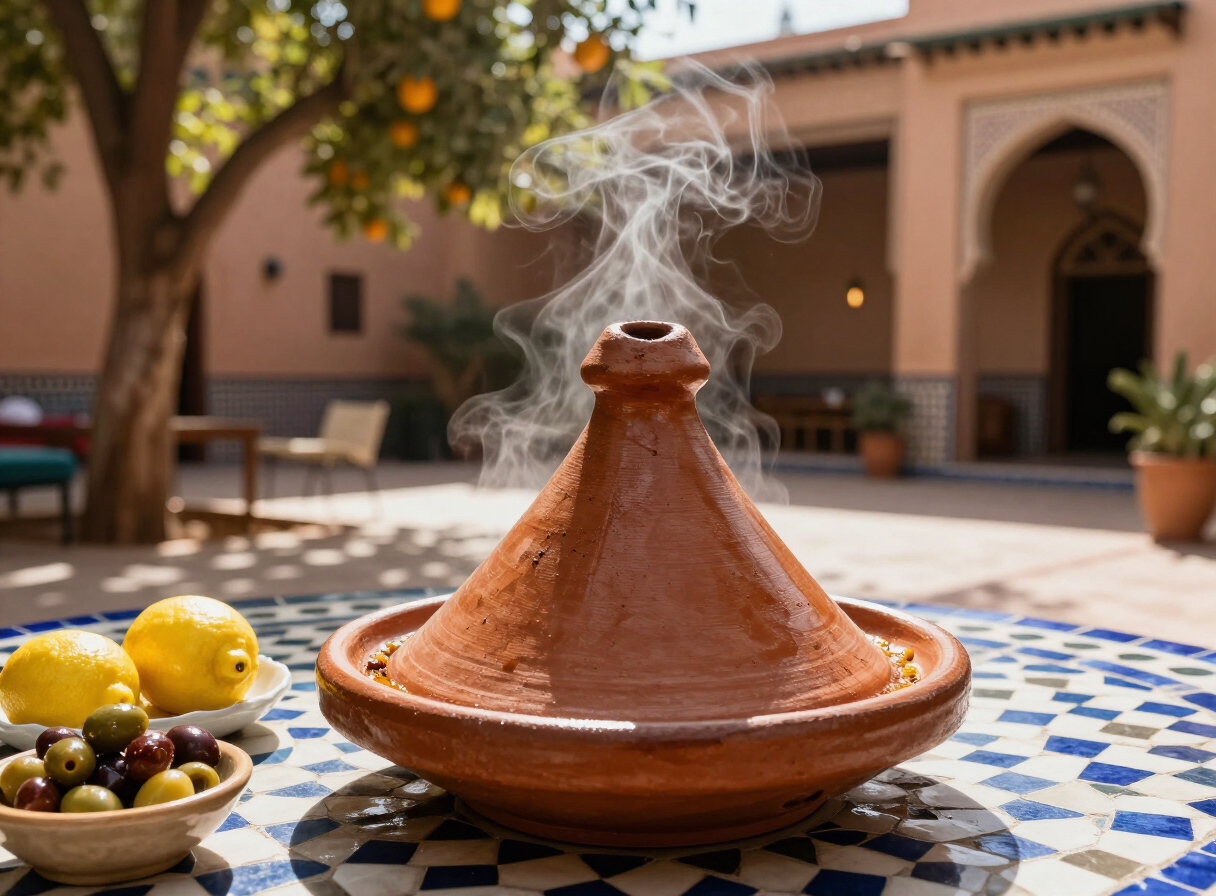
    Skip the hotel buffet. Follow the grill smoke into Jemaa el-Fnaa’s night stalls, order harira and msemen at a counter in Fès, and learn why Friday is couscous day across the whole country.

  2. Take tea the slow way

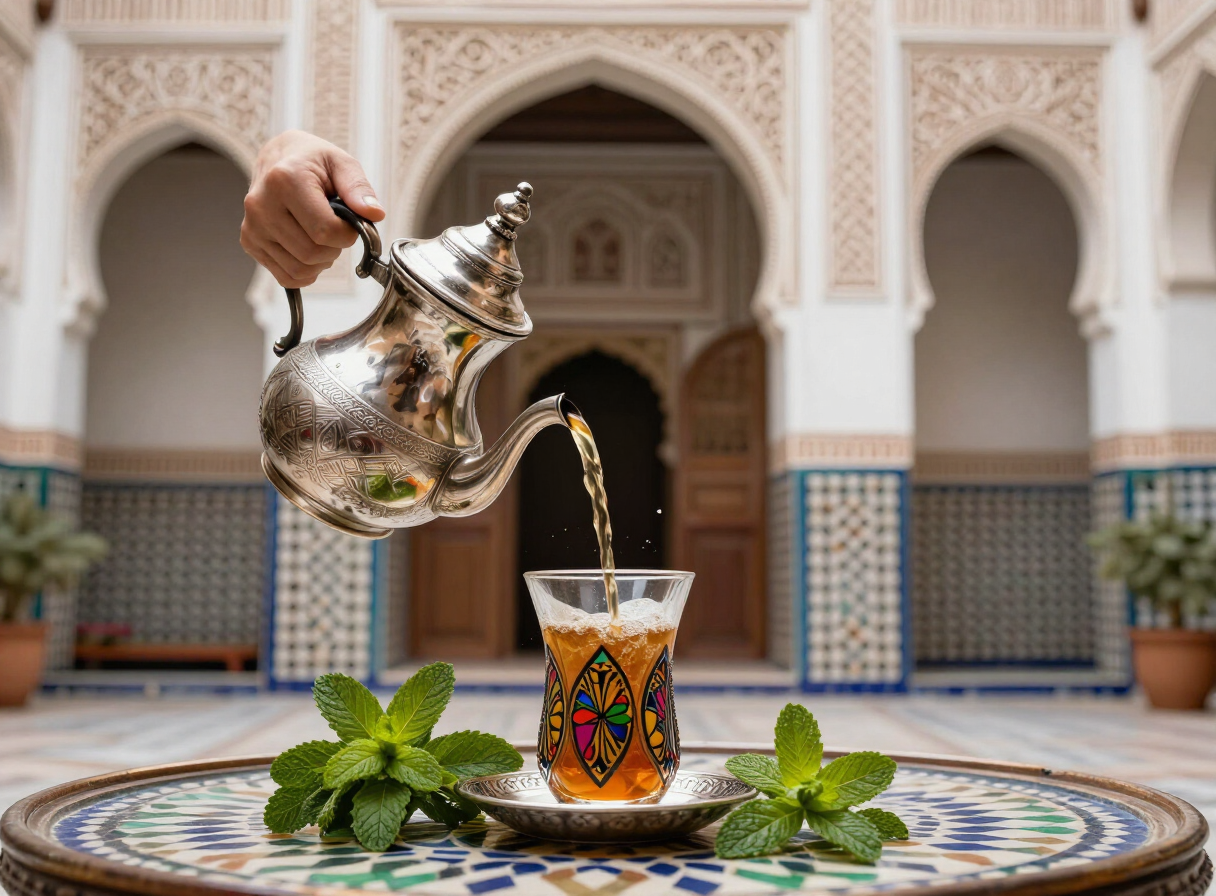
    Mint tea is Morocco’s handshake — poured high, sweet, and never rushed. Accept it in a weaver’s cooperative, a mountain gîte or a riad courtyard, and let the conversation set the pace.

  3. Meet the makers

    Fès brass, Safi ceramics, Taznakht carpets, Essaouira thuya wood. Buy directly from the workshops where these crafts are still made by hand, and hear the story behind each piece.

  4. Sleep inside the medina

    Stay in a restored riad — a courtyard house hidden behind a plain door. Orange trees, zellige tilework, breakfast on the roof terrace, and the call to prayer drifting over the rooftops.

  5. Bathe like a local

    The hammam is a weekly ritual, not a spa treatment. Go to a neighbourhood bathhouse, bring black soap and a kessa glove, and leave with the softest skin of your life.

  6. Follow the music

    Gnaoua rhythms in Essaouira, Amazigh ahidous in the Atlas, Sufi chants in Fès. Morocco’s soundtrack is live, communal and centuries deep — ask locally who is playing tonight.

Suggested Routes

Three ways through Morocco

Tested routes that balance the famous with the hidden. Take them as they are, or treat them as a spine to improvise around.

7 days

The First Connection

The classic first week: two days inside the Marrakech medina, then over the Tizi n’Tichka pass to the kasbahs, gorges and finally a night in the Erg Chebbi dunes before looping back.

MarrakechAït BenhaddouDades ValleyMerzougaMarrakech

10 days

Imperial Cities & Blue North

History in layers — Roman Volubilis, the blue lanes of Chefchaouen, the medieval university city of Fès, and a finale in Marrakech. All connected by train and short drives.

CasablancaRabatChefchaouenFèsMeknesMarrakech

14 days

The Full Compass

Two weeks, four landscapes: Mediterranean north, medieval cities, Sahara dunes, Atlas villages and an Atlantic finish. The itinerary we would hand a friend with time to spare.

TangierChefchaouenFèsMerzougaHigh AtlasEssaouiraMarrakech

Travel Essentials

Know before you go

The practical layer of every great trip: seasons, trains, dirhams and the small courtesies that change how Morocco receives you.

When to go

  • Spring (March–May) and autumn (September–November) bring warm days and cool nights almost everywhere.
  • The Sahara is best October to April; summer dunes regularly pass 45°C.
  • The Atlantic coast stays mild year-round — Essaouira rarely leaves 18–26°C.
  • Ramadan shifts each year: days are quiet, evenings are festive. Travel is fine, hours change.

Getting around

  • ONCF trains link Tangier, Rabat, Casablanca, Marrakech and Fès — fast, cheap and comfortable.
  • CTM and Supratours buses reach the mountains, desert and coast where trains do not.
  • Petits taxis run inside cities (agree the meter), grands taxis run between towns.
  • The medinas are car-free: you will walk, so pack light and wear real shoes.

Money & language

  • The dirham (MAD) is a closed currency — exchange or withdraw on arrival; cards work in cities, cash rules the souks.
  • Haggling is expected in markets: start near half, keep it friendly, smile.
  • Arabic and Amazigh are official; French is everywhere; English grows daily in tourist areas.
  • “Salam alaikum” and “shukran” open more doors than any phrasebook.

Culture & respect

  • Dress modestly outside beach resorts — shoulders and knees covered reads as respect, not rule.
  • Ask before photographing people; a gesture and a smile usually get a yes.
  • Non-Muslims cannot enter most mosques — the Hassan II Mosque in Casablanca is the great exception.
  • Use your right hand for eating, greeting and passing items.

MOROCCONTACT

The country is
already waiting.

Start with a destination, follow an itinerary, or simply learn how Morocco works before you land. This guide grows every week — new places, new voices, new ways in.